


How to Use Peppermint Oil to Deter Spiders Naturally
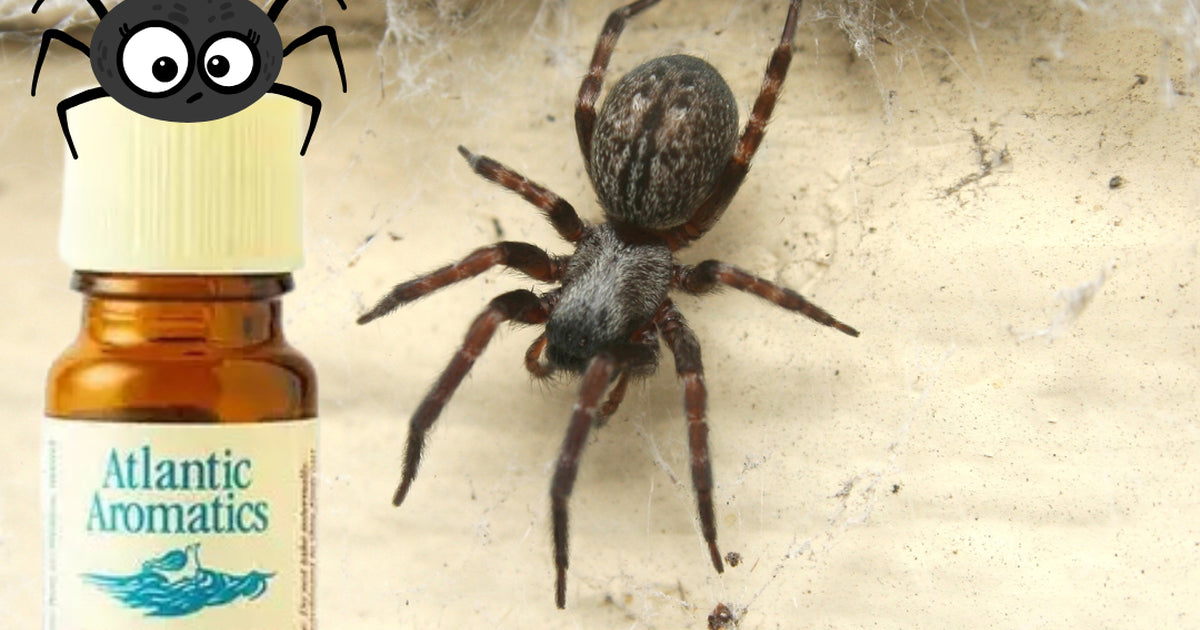
As the evenings draw in and the leaves begin to turn that beautiful shade of gold, do you find yourself with a few more uninvited house guests? I'm talking about the eight legged kind. If the sight of a spider creeping across the floor has you jumping on a chair, you are certainly not alone. Autumn, as lovely as it is, is the season when spiders tend to move indoors, seeking warmth and a mate.
But before you reach for a can of harsh, chemical laden insecticide, what if I told you there was a wonderfully effective, beautifully fragrant, and completely natural way to encourage them to stay outside? Here at Natural Health Store, we believe in working with nature, and I'm delighted to share my favourite seasonal secret for a peaceful, spider free home.
Why Spiders Don't Like Peppermint
It's actually quite simple. Spiders, along with many other creepy crawlies like ants and mice, experience the world very differently from us. They rely heavily on their sense of smell and taste, using tiny sensory organs on their legs to navigate and understand their surroundings. When they encounter a scent that is overpowering and intense, it's like a sensory overload for them. It's confusing, unpleasant, and it effectively tells them, "This is not a safe or welcoming place for you."
Peppermint is one of their least favourite aromas. The strong, clean, and piercing scent of pure peppermint is utterly overwhelming for a spider's delicate senses. It doesn't harm them, but it does send a very clear message for them to turn around and find another place to build their web. It's the most humane and pleasant smelling eviction notice you can give!
The Solution Pure Peppermint Essential Oil
For years, my go to solution has been a simple bottle of Atlantic Aromatics Organic Peppermint Essential Oil. This isn't just any fragrance oil; it's the real deal. Pure essential oil is a potent, concentrated extract from the peppermint plant itself, containing all the powerful aromatic compounds that spiders find so offensive.
Using a high quality, pure essential oil is key because its scent is far more potent and long lasting than synthetic alternatives. It's a staple in my wellness cabinet for everything from easing tension headaches to adding a little pep to my step in the morning, but its role as my home's guardian in autumn is one I value most. It's a fantastic, multi purpose oil that truly earns its place in your home.
How to Create Your Own Spider Repellent Spray
Making your own natural spider repellent spray is incredibly easy, affordable, and takes less than two minutes. I make a fresh bottle every couple of weeks during the autumn months to keep my home protected.
What You'll Need:
- A clean spray bottle (glass is best for essential oils, but a good quality plastic one will do for short term use)
- Water (tap water is fine)
- A splash of white vinegar or witch hazel (this helps the oil and water to mix, or emulsify)
- 15-20 drops of Pure Peppermint Essential Oil
The Simple Steps:
- Fill your spray bottle almost to the top with water, leaving a little room for the other ingredients.
- Add a good splash of white vinegar or witch hazel. You don't need much, perhaps a tablespoon or two. This is the magic ingredient that helps the oil disperse through the water instead of just floating on top.
- Add your essential oil. I recommend starting with 15 drops of Peppermint Oil. You want the scent to be strong and minty, but not so overpowering that it irritates you. You can always add a few more drops if you feel it needs a boost.
- Shake it up! Screw the top on tightly and give the bottle a really good shake to mix everything together. You'll need to give it a quick shake before each use, too.
And that's it! You've just created a powerful, non toxic, and beautifully fresh smelling pest repellent.
Where to Spray for a Spider Free Home
Now that you have your magic potion, it's time to apply it strategically. Think like a spider: where are the most likely entry points into your home?
I make a point of spraying this mixture generously around:
- Windowsills and Window Frames: Pay close attention to the corners and any small gaps.
- Doorways: Spray all around the door frame, at the bottom and top.
- Skirting Boards: A light mist along the skirting boards in each room can create a great barrier.
- Air Vents and Extractor Fans: These are common entry points we often forget about.
- Cracks and Gaps: Any little crack in the wall or floor is a potential doorway.
- Dark Corners: Spiders love undisturbed, dark places. Think behind the sofa, under cupboards, and in the corners of the ceiling.
I usually re apply the spray every week or so, and especially after a deep clean or a particularly rainy day, as moisture can dissipate the oil's scent. The best part is that your house will smell wonderfully fresh, clean, and invigorating. It's a win-win!
The Cotton Ball Trick: A Customer Favourite
Another fantastic method, and one that several of our customers swear by, is the cotton ball trick. This is perfect for targeting specific areas, especially enclosed spaces where you might not want to spray a liquid.
Simply place 3-4 drops of Peppermint Oil onto a cotton ball and strategically place them in areas you want to protect. Some of the best spots include:
- In the back of kitchen cupboards
- Tucked away in the corners of your wardrobe
- Underneath beds and heavy furniture
- In the garage, shed, or attic
- Near pipes under the sink
One customer told me she places them in her car to deter mice from nesting in the engine during the colder months, and she's had fantastic results. I've been using this trick in my own shed for years, and I can honestly say it makes a huge difference. Just remember to refresh the oil on the cotton balls every week or two as the scent fades.
What About Our Furry Friends? A Note on Pet Safety
This is a question we get asked a lot, and it's an important one. While peppermint oil is a wonderful natural tool for us, we need to be mindful of our pets, as their sense of smell is far more sensitive than ours.
For dogs, peppermint oil is generally considered safe when used in the ways described above sprayed in the environment and on cotton balls. Most dogs aren't particularly fond of the strong smell, so they will likely avoid the areas you've treated anyway. However, you should never apply essential oils directly to your dog's skin or fur, and ensure they don't lick the sprayed surfaces while they are wet.
Cats are a different story. They lack a specific enzyme in their liver that helps them metabolise certain compounds found in essential oils, including peppermint. This means that direct exposure can be toxic to them. Therefore, if you have a cat, it is best to avoid using peppermint oil spray in areas where your cat spends a lot of time, eats, or sleeps. The cotton ball method in enclosed spaces your cat cannot access (like inside cupboards or a sealed attic) is a much safer option. Always ensure the room is well ventilated and that your cat can leave the area if they find the smell unpleasant.
Other Natural Essential Oils
While peppermint is the undisputed champion for spider repelling, it's not the only essential oil that creepy crawlies dislike. If you want to create a custom blend or simply fancy a different aroma, you could try adding a few drops of these oils to your spray:
- Tea Tree Oil: Known for its powerful antiseptic properties, tea tree also has a strong, medicinal scent that many insects find repulsive.
- Citrus Oils (Lemon, Orange, Grapefruit): While we find the smell of citrus wonderfully uplifting and clean, many bugs, especially ants and spiders, do not.
- Lavender Oil: Famous for its calming properties for humans, lavender is a fantastic repellent for moths, flies, and mosquitoes. A lavender-peppermint mix smells divine and offers broad protection.
- Cedarwood Oil: This earthy, woody oil is a traditional and highly effective moth repellent. It's also great for deterring other pests.
I love experimenting with different combinations. A spray with peppermint, lemon, and a hint of lavender is one of my personal favourites for a general purpose home freshener and pest deterrent.
Choosing Quality Makes All the Difference
When you're relying on the aromatic properties of an oil, quality really does matter. Many "fragrance oils" you might see are synthetic and contain very little, if any, of the natural plant extract. They might smell nice initially, but they lack the potent, complex compounds that actually repel pests.
That's why I always recommend using a 100% pure, therapeutic grade essential oil. You are getting the pure, unadulterated essence of the plant, which is not only more effective but also safer to have in your home environment. You'll notice the difference in the richness and staying power of the scent immediately.
Ready to give your home a fresh, minty aroma and show those spiders the door, naturally? It's a simple, satisfying, and empowering way to take control of your home environment without resorting to harsh chemicals.
Take a look at our wonderful range of Pure Essential Oils online, including our potent and ethically harvested Atlantic Aromatics Organic Peppermint Oil. If you're local, call in for a chat! We'd love to share more of our favourite tips for a happy, healthy, and natural home this autumn.
If you want any more tips on how to use peppermint oil as a natural pest deterrent call us or pop in to the store to chat with one of our team.